

Our Process
Transforming Sustainable Biomass

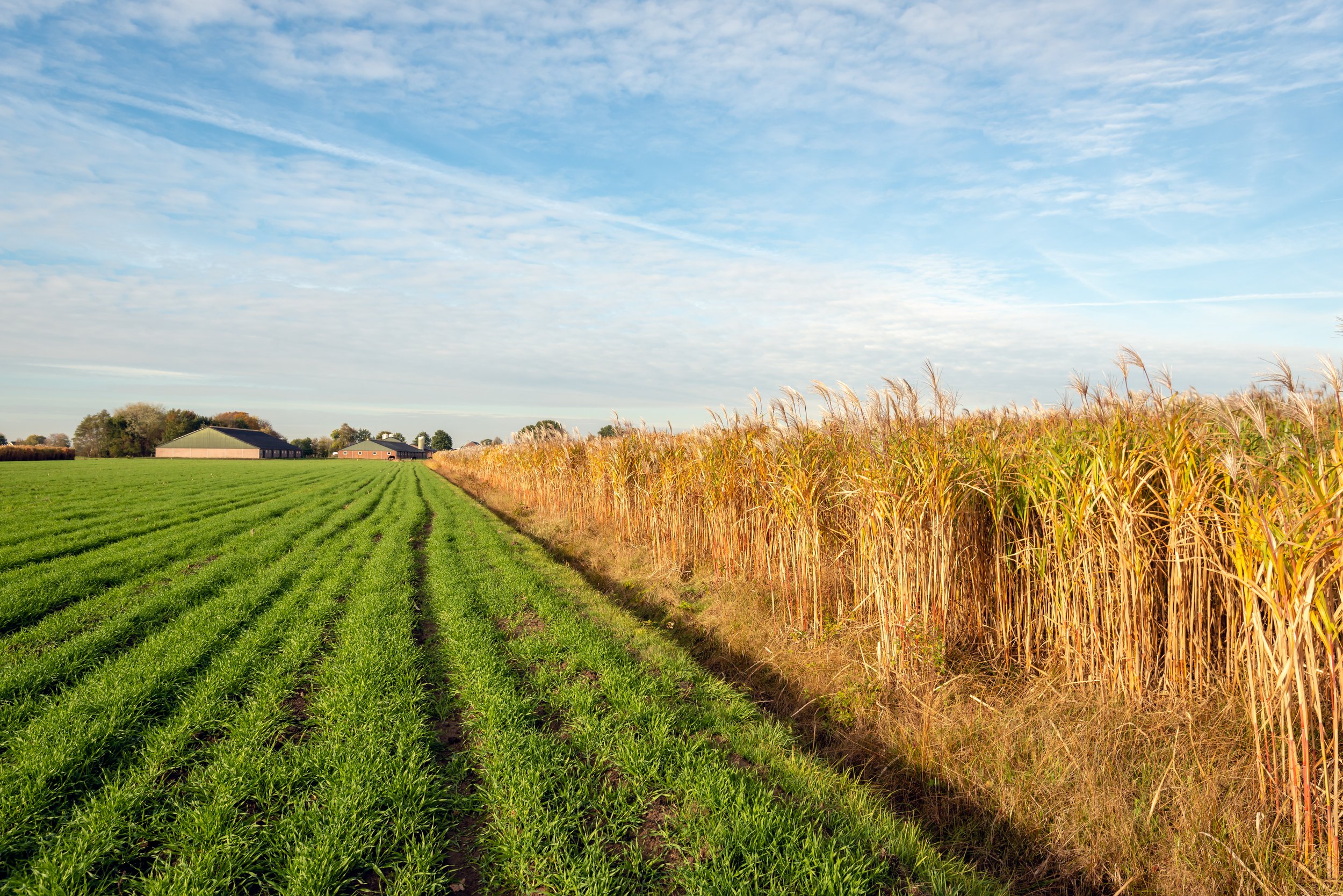
The SixRing™ process produces three primary product streams, High-Purity Cellulose, Lignin-Hemicellulose-Depolymerized-Organics™ (LHDO™), and sustainable chemicals.
These products can be directly refined or upgraded using existing infrastructure into High Performance Agricultural Products, Sustainable Aviation Fuel (SAF), diesel, gasoline, and a broad range of platform and specialty chemicals and materials.
The SixRing patented delignification processes operate at ambient temperatures and pressures utilizing globally available commodity chemicals to extract sustainable biofuels and biochemicals from non-food based Lignocellulosic Biomass (LBM).
Results in lower capital costs, operating expenditures, and carbon intensity;
Does not utilize animal fats, seed oils or food crops, improving costs and scalability;
Results in near maximum theoretical yields of cellulosic ethanol;
Produces multiple revenue streams in the form of high value organics, ethanol, materials and biochemicals.
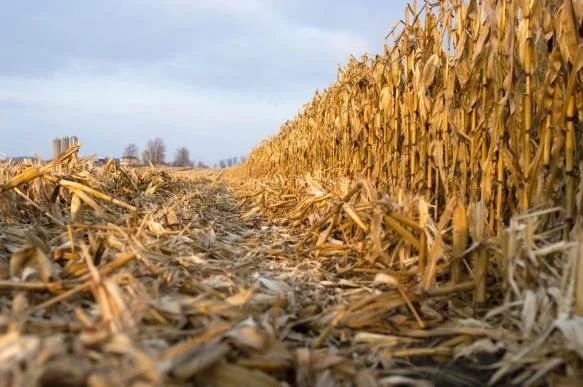
Overcoming Barriers to Biomass Conversion
Our technology seamlessly converts any lignocellulosic biomass into high-value products, delivering efficiency, sustainability, and results.

The SixRing Platform

Operating in the Optimal Zone of Biomass-to-Value Production
Our scientifically advanced process ensures maximum efficiency and value extraction, transforming biomass into high-performance products.

Tour Our Facility
Proven Performance at Scale
Delivering Consistent Results Across Hundreds of Reactions with a Fully Operational Commercial-Scale Reactor.

Commercial facility in Calgary, Alberta with 5Mt/day expansion expected operational Q1, 2027
Commercial scale reactors (20,000 L) operational since Q4, 2023
Technology has been scaled over 6 years with improved efficiency and reduced chemical consumption
Utilises >90% off-the-shelf equipment in conjunction with low complexity SixRing reactors, which reduces execution scope and risk
100’s of reactions have been undertaken utilizing feedstock supplied from five continents by SixRing partners
6+ years of core technology and product development. Various global partnerships for technology expansion in over 10 countries
Technology has been verified by multiple third parties including global super majors, licensing partners, and government funding providers
>55 feedstocks tested with very limited output variability and no change required to the core SixRing process